


Transfiguration of Jesus
The Transfiguration of Jesus is an event described in the New Testament where Jesus is transfigured and becomes radiant upon a mountain. This event is significant in Christian theology and is described in the Gospels of Matthew (17:1-8), Mark (9:2-8), and Luke (9:28-36). Here are some key details:
- Participants: Jesus took three of his disciples—Peter, James, and John—up a high mountain by themselves.
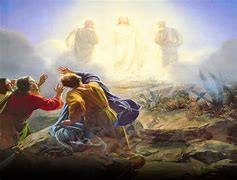
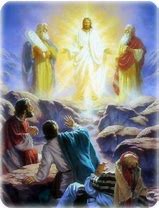
- Appearance: While on the mountain, Jesus’ appearance was transformed. His face shone like the sun, and his clothes became dazzling white.
- Moses and Elijah: Moses and Elijah appeared, talking with Jesus. This is often interpreted as representing the Law and the Prophets, respectively.
- Divine Voice: A bright cloud overshadowed them, and a voice from the cloud said, “This is my Son, whom I love; with him I am well pleased. Listen to him!” This voice is understood to be God the Father.
- Disciples’ Reaction:The disciples fell to the ground, overwhelmed with fear. Jesus then touched them and told them not to be afraid.
The Transfiguration of Jesus is celebrated as a major feast in many Christian denominations, emphasizing the revelation of Jesus’ divine nature and his fulfillment of the Law and the Prophets.
Biblical Accounts
Matthew 17:1-8:
- Setting: Six days after Jesus predicts his suffering, death, and resurrection, he takes Peter, James, and John up a high mountain.
- Event: Jesus is transfigured, his face shining like the sun, and his clothes becoming white as light. Moses and Elijah appear and converse with him.
- Peter’s Response: Peter offers to set up three shelters for Jesus, Moses, and Elijah.
- Divine Voice:A bright cloud envelops them, and a voice from the cloud declares Jesus as God’s beloved Son, commanding the disciples to listen to him.
- Aftermath: The disciples fall face down in fear, but Jesus touches them, telling them not to be afraid. When they look up, only Jesus remains.
Mark 9:2-8:
- Setting: Mark’s account is similar to Matthew’s, emphasizing the six-day period and the high mountain setting.
- Event: Jesus’ transformation is described, with his clothes becoming dazzling white, whiter than anyone on earth could bleach them.
- Peter’s Response: Mark includes Peter’s suggestion to build shelters but adds that Peter did not know what to say, as they were so frightened.
- Divine Voice:The cloud and divine voice are described in similar terms to Matthew’s account.
- Aftermath: The disciples are left alone with Jesus, and he instructs them not to tell anyone about the vision until after his resurrection.
Luke 9:28-36:
- Setting:Luke places the event eight days after Jesus’ prediction of his suffering.
- Event: As Jesus prays, his face changes, and his clothes become bright as a flash of lightning. Moses and Elijah appear in glorious splendor, discussing Jesus’ impending departure in Jerusalem.
- Peter’s Response: Peter and his companions are sleepy but become fully awake to see Jesus’ glory and the two men with him. Peter suggests building shelters as they are about to leave.
- Divine Voice: A cloud covers them, and they are afraid as they enter it. The voice from the cloud proclaims Jesus as God’s chosen Son and instructs the disciples to listen to him.
- Aftermath: The disciples find themselves alone with Jesus, and they keep the experience to themselves, telling no one at that time.
Theological Significance
- Revelation of Jesus’ Divine Nature: The Transfiguration is a key moment where Jesus’ divine nature is revealed to his closest disciples. The radiant transformation and the appearance of Moses and Elijah confirm Jesus’ identity as the Messiah.
- Fulfillment of the Law and the Prophets: The presence of Moses and Elijah symbolizes the fulfillment of the Law (represented by Moses) and the Prophets (represented by Elijah). Jesus is seen as the culmination of both.
- Confirmationof Jesus’ Mission: The divine voice affirming Jesus as God’s beloved Son provides divine endorsement of his mission and forthcoming passion.
- Preparation for the Passion:The Transfiguration serves as a preparation for the disciples for Jesus’ upcoming suffering and death. It strengthens their faith by providing a glimpse of his glory.
Liturgical Celebrations
- Feast Day: The Transfiguration is celebrated on August 6 in the Roman Catholic, Eastern Orthodox, and Anglican churches. It is also observed in some Protestant denominations.
- Liturgy:The liturgy often includes readings from the Gospels’ accounts of the Transfiguration, reflections on its theological significance, and hymns celebrating the revelation of Christ’s glory.
Art and Iconography
The Transfiguration has been a popular subject in Christian art and iconography. It is often depicted with Jesus at the center, radiating light, flanked by Moses and Elijah, and with the three disciples below, often in a state of awe or fear. This visual representation underscores the divine and transcendent nature of the event.
Leave a Reply