


Sacrament Of Penance
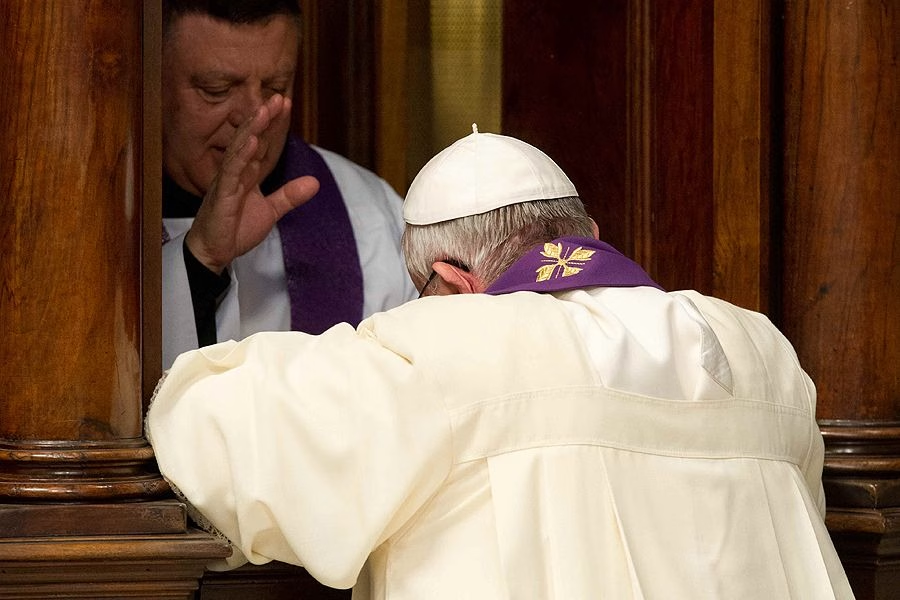
The Sacrament of Penance, also known as Confession or Reconciliation, is one of the seven sacraments of the Catholic Church. It is a means by which the faithful obtain absolution for the sins committed against God and are reconciled with the Christian community. Here’s a brief overview of the sacrament:
- Purpose: The primary purpose is to restore the penitent’s relationship with God and the Church community, which is damaged by sin.
- Process:
- Examination of Conscience: The penitent reflects on their sins and contrition.
- Confession: The penitent confesses their sins to a priest.
- Act of Contrition: The penitent expresses genuine remorse for their sins.
- Penance: The priest assigns a penance, which may involve prayer, fasting, or other acts of devotion.
- Absolution: The priest pronounces the words of absolution, forgiving the penitent’s sins.
- Biblical Basis: The sacrament is rooted in Jesus’ instructions to the apostles. In John 20:23, Jesus says, “If you forgive anyone’s sins, their sins are forgiven; if you do not forgive them, they are not forgiven.”
- Spiritual Benefits:
- Forgiveness of Sins: The penitent receives God’s forgiveness for sins confessed.
- Reconciliation with God and the Church: The sacrament restores the penitent’s relationship with God and the community.
- Grace: The sacrament provides grace to resist future temptations and sins.
- Healing: It offers spiritual healing and peace of mind.
- Frequency: Catholics are encouraged to receive the Sacrament of Reconciliation regularly, particularly during Lent and Advent, and any time they are conscious of mortal sin.
- Role of the Priest: The priest acts in the person of Christ and the Church, providing guidance, assigning penance, and granting absolution.

The Sacrament of Penance is a powerful means of spiritual renewal and growth, emphasizing God’s mercy and the importance of personal accountability and repentance. You can also read more about the Sacrament Of Penance
Historical Development
The practice of confession has evolved over the centuries:
- Early Church: Initially, public confession and penance were common, especially for grave sins. The process could be lengthy, often requiring public penance before readmission to the community.
- Middle Ages: The practice of private confession began to develop. Irish monks popularized this form of confession, which eventually became the norm in the Western Church.
- Council of Trent (1545-1563): Reaffirmed the importance of the sacrament and standardized its practice in response to Protestant Reformation critiques.
- Vatican II (1962-1965): Emphasized the communal aspect of the sacrament and encouraged the use of communal penance services, though individual confession remained essential.
Theological Significance
The Sacrament of Penance is deeply rooted in Catholic theology:
- Forgiveness and Mercy: Central to the sacrament is the belief in God’s infinite mercy and readiness to forgive sins, no matter how grave.
- Conversion and Repentance: It reflects the ongoing call to conversion, encouraging Catholics to turn away from sin and grow in holiness.
- Justice and Reparation: While sins are forgiven, the penitent is also called to make amends and repair any harm caused by their actions, underscoring the justice aspect of reconciliation.
Liturgical Celebration
The Sacrament of Penance can be celebrated in various forms:
- Individual Confession: The penitent meets privately with a priest, typically in a confessional booth or a reconciliation room.
- Communal Services: During certain liturgical seasons, parishes may hold communal penance services, where a community gathers for prayer and reflection before individual confessions.
- General Absolution: In rare circumstances, such as imminent danger of death, a priest may give general absolution to a group of penitents without individual confession, with the understanding that individual confession will follow as soon as possible.
Examination of Conscience
Before confessing, the penitent is encouraged to reflect on their sins. This examination often involves considering the Ten Commandments, the Beatitudes, and other moral teachings of the Church. Many Catholics use guides or prayer booklets to help in this reflection.

Spiritual Preparation and Aftercare
- Spiritual Direction: Regular confession can be part of broader spiritual direction, where a priest or qualified layperson guides the penitent in their spiritual growth.
- Post-Confession Reflection: After receiving absolution, penitents are encouraged to reflect on their experience, perform their assigned penance, and commit to avoiding future sin.
Psychological and Social Benefits
While primarily a spiritual practice, the Sacrament of Penance can also offer psychological and social benefits:
- Emotional Relief: Confession can provide a sense of relief and emotional cleansing, helping individuals unburden themselves of guilt and shame.
- Strengthening Community Bonds: By promoting honesty, accountability, and forgiveness, the sacrament helps build and strengthen community ties.
Modern Challenges and Considerations
- Decline in Practice: In some regions, the frequency of confession has declined, with many Catholics not availing themselves of the sacrament regularly.
- Renewed Emphasis: Church leaders continue to encourage the faithful to rediscover the sacrament’s value, emphasizing its role in personal and communal spiritual health.
Encouragement and Guidance from Church Leaders
- Pope Francis: Known for his emphasis on mercy, Pope Francis has frequently spoken about the importance of the Sacrament of Penance. He encourages both priests and laity to approach it with compassion and openness.
- Pastoral Initiatives: Many parishes offer extended confession times, special penance events, and educational programs to help the faithful understand and appreciate the sacrament.
The Sacrament of Penance remains a vital aspect of Catholic spirituality, offering believers a tangible means to experience God’s mercy, seek personal growth, and strengthen their relationship with the Church. Catholic Sacrament of Reconciliation- 2024

Leave a Reply to XMC.PL Cancel reply